
オーガニックトラフィックをオートパイロットで拡大

キーワードを自動的に高ランクの記事に変えましょう。当社のAI SEOライターがコンテンツを作成し、サイトに同期して検索結果を独占します。

トラフィックを増やす

AI SEO

  • 一度の設定でオーガニックトラフィックの成長を自動化

  • スマートなキーワードリサーチ

  • AI執筆によるSEO最適化記事

  • Webサイトへ直接自動同期

AI SEO

GroMachが選ばれる理由

ロングテールキーワード計画

ロングテールキーワード計画

スマートなキーワードクラスタリングツールで価値の高い機会を発掘します。詳細な市場データを分析し、収益性の高いニッチをターゲットにしたコンテンツ戦略を構築します。

高品質記事の自動化

高品質記事の自動化

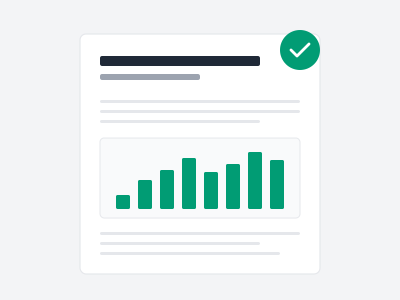
人間が書いたような記事を一括生成します。単なるスペース埋めではなく、すべての記事がE-E-A-Tに準拠し、Googleでランクインするように完全に最適化されます。

スマートな投稿と成長

スマートな投稿と成長

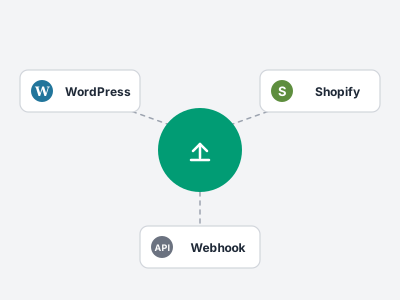
WordPressやShopifyへ自動投稿。指一本動かすことなくブログを24時間365日稼働させ、オーガニックトラフィックが急増するのを見守りましょう。

競合分析

競合分析

競合他社のトラフィックを奪いましょう。SEO競合分析を使用して戦略の隙間を見つけ出し、SERP(検索結果)ランキングで競合を上回ります。

パーソナライズされたコンテンツ戦略

パーソナライズされたコンテンツ戦略

AIにあなたのブランドボイスを学習させます。一般的なAIライティングツールとは異なり、GroMachは特定のターゲット層に響くパーソナライズされたコンテンツを作成します。

リアルタイム順位追跡

リアルタイム順位追跡

キーワードランキングオーガニックトラフィックをリアルタイムで監視します。SERP順位の変化を即座に検知し、成長を守りROIを最大化します。

スマートなキーワード発見と計画

スマートなキーワード発見と計画

基本的なリサーチのその先へ。当社のAIは収益性の高いロングテールキーワードを発掘し、実際のユーザーの検索意図に基づいた構造化されたトピッククラスターを構築し、高いSERPランキングを狙えるコンテンツ戦略を用意します。

キーワードを発掘する
エキスパートレベルのAIコンテンツ作成

エキスパートレベルのAIコンテンツ作成

GoogleのE-E-A-T基準を厳守した高品質でSEOに最適化された記事を生成します。AIがニッチ分野を深く理解し、読者を惹きつけオーガニックトラフィックを増加させるコンテンツを作成します。

記事自動化を試す
自動化された投稿ワークフロー

自動化された投稿ワークフロー

ブログをオートパイロットに。GroMachは完全にフォーマットされたコンテンツをWordPressやShopifyに直接自動投稿します。リーチを最大化するために最適な時間に投稿をスケジュールし、手間をかけません。

トラフィックを増やす
深い競合インサイト

深い競合インサイト

推測はやめましょう。競合他社の戦略を分析して、コンテンツのギャップや隠れたキーワードの機会を特定します。データに基づいたインサイトを活用して、より良いコンテンツを作成し、検索結果で競合を出し抜きましょう

カスタム記事を作成する
カスタムブランドボイストレーニング

カスタムブランドボイストレーニング

大規模でも一貫性を維持します。独自のトーンとスタイルをAIに学習させ、本物だと感じさせるパーソナライズされたコンテンツを生成します。すべての記事があなたのブランドボイスに一致し、読者との信頼関係を築くことを保証します。

今すぐトライアルを開始

GroMachの仕組み

Webサイトを登録

Webサイトを登録

基本的なSEO情報を入力

基本的なSEO情報を入力

記事を自動生成し、オーガニックトラフィック成長開始

記事を自動生成し、オーガニックトラフィック成長開始

活用事例

Top 5 Ultralight Tents Under 3lbs for Solo Backpackers (2026 Picks That Actually Feel Livable)

Imagine your pack leaning against a pine at dusk, and your tent—your tiny “trail apartment”—is the last thing you want to wrestle with. That’s the question every solo hiker eventually asks: Can I go ultralight without feeling cramped, damp, or broke? After trying a mix of trekking-pole shelters and traditional setups over the years, I’ve found that the sweet spot for many solo backpackers is an ultralight tent under 3lbs that’s still storm-worthy and comfortable enough for back-to-back nights.

This listicle highlights five ultralight tents under 3lbs for solo backpackers, focusing on real-world livability: packed weight, weather protection, condensation management, ease of pitch, and value. I’ll also share what I learned the hard way (like how “light” can become “miserable” if the pitch is finicky in wind).

A solo backpacker setting up a trekking-pole ultralight tent on an alpine saddle at sunset; close-up of guyline tensioners, stakes in rocky soil, and a minimalist pack leaned against a boulder; documentary-style, crisp natural light


What “Under 3lbs” Really Means for an Ultralight Solo Tent

Manufacturers use a few different weight numbers, and that can make comparing ultralight tents under 3lbs confusing. When I shop for a solo backpacking tent, I check weight in three layers.

  • Minimum weight: tent body + rainfly (often excludes stakes, stuff sack, and extra guylines)
  • Packed weight: what you actually carry most trips (typically includes stakes and sacks)
  • Trail weight reality: packed weight + footprint/groundsheet + extra stakes you end up bringing “just in case”

If you’re set on under 3lbs, decide whether you mean packed weight or minimum weight. For solo backpackers, I recommend treating packed weight as the honest target. A tent that’s 2 lb 14 oz minimum can easily become 3 lb 6 oz by the time it’s trail-ready.

Quick buying rules I use:

  1. If you hike with trekking poles, consider a trekking-pole shelter to save weight.
  2. If you camp in humid forests, prioritize ventilation to reduce condensation.
  3. If you’re new to UL gear, don’t pick the “lightest possible” if it’s hard to pitch in wind.

Top 5 Ultralight Tents Under 3lbs for Solo Backpackers (Ranked)

Below are my five picks for an ultralight tent under 3lbs that works for typical 3-season solo backpacking. I’m mixing cottage-industry standouts with easier-to-buy mainstream options, because availability matters when your next trip is already on the calendar.

Tent ModelTypePacked Weight (approx)Weather Strength (1-5)Condensation Control (1-5)Best ForTypical Price Range
Durston X-Mid 1PTrekking-Pole~28–32 oz54Wind/rain value & space$240–$300
Six Moon Designs Lunar SoloTrekking-Pole~26–30 oz43Budget UL + simple pitch$250–$300
Tarptent Aeon LiTrekking-Pole~16–18 oz43Premium DCF weight savings$550–$700
Big Agnes Fly Creek UL1Semi-Freestanding~33–38 oz33Easy setup, familiar feel$300–$400
Durston X-Dome 1+Freestanding~40–45 oz (under 3 lb variants/trimmed)44Freestanding comfort & convenience$350–$450

Note: weights vary by year/version, stake choice, and included accessories. Always verify the spec sheet before buying.

Horizontal bar chart comparing approximate packed weights (in ounces) of the 5 tents listed, showing relative differences and highlighting the 3lb (48 oz) cutoff line


1) Durston X-Mid 1P — Best Overall Ultralight Solo Tent Under 3lbs

The Durston X-Mid 1P keeps showing up in serious testing lists because it balances weather protection, interior space, and price unusually well. It’s a trekking-pole shelter, but the pitch is straightforward once you do it once or twice. In my experience, the geometry is forgiving enough that you don’t need “perfect soil” to get a tight setup.

Why it stands out for solo backpackers:

  • Room-to-weight ratio feels generous for a 1P
  • Storm-worthiness is excellent for the category (good angles, stable pitch)
  • Two vestibules (depending on version) help with gear storage and wet entry

Tradeoffs to know:

  • Requires trekking poles (or optional poles), which adds cost/weight if you don’t already hike with poles
  • Like most UL shelters, site selection matters—bad airflow spots invite condensation

2) Six Moon Designs Lunar Solo — Best Value Ultralight Tent Under 3lbs

The Six Moon Designs Lunar Solo is a classic “smart compromise” shelter for solo backpackers who want to go ultralight without going fragile or ultra-expensive. It’s light, packs down well, and has a loyal following because it works—especially when your budget is real.

I’ve recommended this style of tent to friends starting their UL journey because it teaches you good habits: tension, guylines, stake placement, and choosing a site that won’t turn into a puddle.

What you’ll like:

  • Great cost-to-weight for an ultralight solo tent
  • Simple trekking-pole pitch once you learn the rhythm
  • Vestibule space is useful for shoes, pack, and cooking in bad weather (with caution)

What to watch:

  • Single-wall shelters can collect condensation, especially in humid regions
  • You’ll want to practice pitching at home so it’s not stressful in wind or rain---

3) Tarptent Aeon Li — Lightest Premium Pick (DCF Done Right)

If your main goal is cutting weight while keeping a functional enclosed shelter, the Tarptent Aeon Li is a strong contender. This is where Dyneema Composite Fabric (DCF) shines: very low weight and no sag when wet. I tried a DCF shelter on a week of mixed drizzle and wind and immediately noticed the difference in morning re-tensioning (basically: less fuss).

Why people pay for it:

  • Extremely light for a fully enclosed solo shelter
  • DCF resists water absorption, so it doesn’t “gain weight” after wet nights
  • Good craftsmanship reputation from Tarptent

Reality checks:

  • DCF is expensive, and abrasion/packed handling matters
  • Still not “condensation-proof”—venting and campsite selection remain key
  • You may need to be more intentional with stake choice and guylines in rough weather

4) Big Agnes Fly Creek UL1 — Best “Traditional Tent Feel” Under 3lbs

Not everyone wants a trekking-pole shelter. If you prefer a more traditional tent experience, the Big Agnes Fly Creek UL1 remains a popular semi-freestanding option that can still land under 3lbs depending on the version and what you pack.

When I loaned a Fly Creek-style tent to a friend for their first solo trip, they loved the predictability: pole set, clip in, throw fly, done. That ease can be worth a few extra ounces, especially when you arrive at camp late.

Strengths:

  • Familiar setup for people coming from car camping tents
  • Often available through major retailers and easy to warranty
  • Solid option for maintained campsites and typical 3-season conditions

Limitations:

  • Interior/door design can feel more “coffin-like” than some trekking-pole designs
  • Semi-freestanding still benefits from good staking for a tight pitch

Best for: solo backpackers who want an ultralight tent under 3lbs but don’t want to rely on trekking poles.


5) Durston X-Dome 1+ — Best Freestanding Comfort (If You Prioritize Convenience)

If you want freestanding convenience—especially for platforms, rocky terrain, or desert hardpan—the Durston X-Dome 1+ has become a compelling option in the lightweight space. Freestanding tents typically weigh more, but this one aims to keep the “real tent comfort” while staying competitive for solo backpackers.

I like freestanding tents most when I know campsites may be awkward: tent pads, wooden platforms, or places where stakes don’t bite. The time and hassle saved can outweigh the ounces.

Why it makes this list:

  • Freestanding pitch is fast and flexible
  • Good livability for one person (the “1+” matters)
  • A strong choice if you dislike tarp-style pitching

Downsides:

  • Usually heavier than trekking-pole shelters
  • You still want stakes for wind; “freestanding” doesn’t mean “no stakes ever”

For additional comparative context on modern tent designs and the way testers rank categories, Adventure Alan’s annual roundups are a useful reference point: Best Ultralight Backpacking Tent.

Best for: solo backpackers who camp on difficult ground and value simplicity over absolute minimum weight.


How to Choose the Right Ultralight Solo Tent (Without Regretting It)

An ultralight tent under 3lbs is only “the best” if it matches your trails. Here are the decision points that matter most.

Weather and terrain: wind, rain, bugs, and ground type

If you’re frequently above treeline or in exposed basins, prioritize tents with a reputation for stable geometry and strong guy-out options. In buggy regions, full netting and tight perimeter seals become non-negotiable. On rocky terrain, freestanding or flexible staking options can be a sanity saver.

My quick matching guide:

  • Windy routes: prioritize stable shapes + multiple stake points
  • Wet climates: ventilation + easy fly management
  • Bug season: full mesh + good zipper quality
  • Rocky ground: freestanding or easy alternative anchor methods

Condensation: the “invisible” comfort factor

Condensation is normal, especially in single-wall shelters. What matters is whether your tent’s ventilation and shape keep that moisture off your quilt and away from your face. I’ve had nights where the tent was “technically dry” but felt clammy because airflow was poor.

To reduce condensation:

  • Pitch in airflow (not in the lowest cold pocket)
  • Keep doors/vents cracked when conditions allow
  • Avoid drying wet clothes inside if you can

Livability: length, headroom, vestibule space

For solo backpackers, livability often comes down to three things:

  • Can you sit up without brushing wet fabric?
  • Can you store your pack under cover?
  • Can you enter/exit without soaking your sleeping area?

A slightly larger “1+” or a smart vestibule design can feel like a luxury on day three of rain.


Set-Up Tips I Wish I’d Learned Earlier (Especially for Trekking-Pole Tents)

The first time I tried a trekking-pole shelter, I thought I hated it. The truth: I just hadn’t learned the sequence.

  1. Stake the four corners in a clean rectangle (or the specified shape).
  2. Insert poles to the recommended height (don’t guess wildly).
  3. Tighten ridgelines next, then adjust corners last.
  4. Add guylines before the wind picks up—not after.

Bring stakes that match your terrain. The included stakes are often fine, but sandy soil or alpine duff can require different shapes.

A flat lay of ultralight shelter components on a groundsheet—tent body, stakes (shepherd hooks and Y-stakes), guylines, trekking poles, repair tape—labeled in a clean, editorial style


Conclusion: The “Right” Ultralight Tent Under 3lbs Feels Like Freedom

At the end of a long day, your tent becomes a little character in your story: either the quiet friend that makes camp easy, or the needy roommate that demands constant adjustments. The best ultralight tents under 3lbs for solo backpackers are the ones that disappear into your pack during the day and feel dependable at night.

If you want the best all-around balance, start with the Durston X-Mid 1P. If you’re watching your budget, the Six Moon Designs Lunar Solo is hard to beat. If you’re chasing the lightest premium experience, the Tarptent Aeon Li is the splurge that makes sense for committed UL hikers.


FAQ: Ultralight Tents Under 3lbs for Solo Backpackers

1) What is considered an ultralight solo backpacking tent?

Most hikers consider “ultralight” to be around under 3lbs packed for a solo tent, though many true UL shelters are closer to 1–2lbs depending on materials and design.

2) Are trekking-pole tents better than freestanding tents for solo backpacking?

They’re often lighter and pack smaller, but they require more practice to pitch well and depend on good staking. Freestanding tents are usually easier on tough ground and for beginners.

3) Do single-wall ultralight tents always have condensation problems?

Not always, but they can be more prone to it. Ventilation design, campsite selection, and weather conditions matter as much as the wall style.

4) Can I fit my backpack inside a 1-person ultralight tent?

Sometimes, but many solo backpackers store packs in the vestibule. If you want inside storage, look for “1+” sizing or a generous vestibule.

5) What’s the best ultralight tent under 3lbs for beginners?

Many beginners do well with a semi-freestanding or easy-pitch trekking-pole design. If you’re nervous about pitching, a traditional setup like the Fly Creek-style tents can feel more intuitive.

6) Is Dyneema (DCF) worth it for an ultralight solo tent?

DCF can be worth it if weight savings and no-sag performance matter to you and you’ll use the tent a lot. It’s expensive and should be handled thoughtfully to avoid abrasion damage.

7) How do I choose the right size ultralight tent for solo trips?

Check floor length, peak height, and vestibule size—then compare that to your sleeping pad size and how much gear you bring inside. If you’re tall or camp in rain often, extra headroom is usually worth a small weight penalty.

コスト優位性:AIで90%削減

コストを抑え、作業を速め、より良いコンテンツを得る - これがGroMachのアドバンテージです

ジュニアライター採用:
月額コスト
$700-1000/月
記事あたりの時間
1-3 時間
コンテンツ品質
基礎レベル
GroMachによる執筆:
月額コスト
$99/月 (1/10のコスト)
記事あたりの時間
5-10 分 (12倍速)
コンテンツ品質
業界平均以上

オーガニックトラフィックを オートパイロットで拡大

わずか$1で3日間のトライアルを開始できます。その後は月額$99です。3日間の返金保証付き。いつでもキャンセル可能です。

マンスリー・スタンダード

$99/
3日間トライアル $1
詳細な記事 30本
スマート内部リンク
ブランドナレッジベース
ユーザー数無制限
スマートキーワードリサーチ
プロジェクト管理 1件
SEOダッシュボード
プロフェッショナルサポート

ユーザーレビュー

アレックス

アレックス

Shopify 加盟店

"広告費を浪費していましたが、オーガニックトラフィックはほとんどありませんでした。購入者をコンバージョンさせるには詳細な比較レビューが必要だと分かっていましたが、何を書けばいいか詰まっていました。GroMachは単にコンテンツを書くだけではありません。競合が見落としていた収益性の高いロングテールキーワードを発掘してくれました。何より、Shopifyへの一括同期のおかげで毎週何時間も節約できています。"

サラ

サラ

フリーランスブロガー

"GroMachを使って、たった午後のひとときで30日分のコンテンツカレンダー全体を計画しました。書くだけでなく、ビジュアルも処理してくれます。すべてをスケジュールし、飛行機に飛び乗りましたが、旅行中もブログはオートパイロットで成長し続けました。自由を取り戻せました。"

マーク

マーク

マーケティング代理店オーナー

"代理店にとって最大のリスクは、一般的なAIの文体になったり、クライアントのトーンを取り違えたりすることです。GroMachはこれを完璧に解決しました。クライアントごとに独立したワークスペースを設定し、特定のブランドガイドラインをAIに直接入力しました。今では、コンテンツがブランドイメージから外れることを心配することなく、制作を拡大できています。"

よくある質問

GroMachはどのように記事の品質を保証していますか?

一般的なAIとは異なり、GroMachは特定のブランドボイスに合わせてトレーニングされ、GoogleのE-E-A-T原則(経験、専門性、権威性、信頼性)を厳守します。すべての記事は多段階のSEO監査を受け、検索エンジンに優しいだけでなく、非常に読みやすく人間らしい文章であることを保証します。

AIが書いた記事はGoogleからペナルティを受けますか?

GoogleはAI生成コンテンツを拒否しないと明言しています。重要なのは、コンテンツがE-E-A-T基準を満たし、価値を提供しているかどうかだけです。

GroMachはどのような種類のWebサイトに適していますか?

GroMachは、オーガニック成長を目指すあらゆるWebサイト向けに設計されています。Eコマースストア(Shopifyなど)、SaaSブログ、WordPressで稼働する企業サイトなどでシームレスに機能します。B2BでもB2Cでも、トラフィックが必要であれば、当社の調整されたコンテンツエンジンがあなたの業界に適合します。

GroMachの料金体系はどうなっていますか?

SEO最適化記事30本を含む月額$99からのスケーラブルなプランを提供しています。成長のペースに合わせてパッケージを選択できます。迷っていますか?まずはリスクなしのトライアルで、コミットする前にワークフローと品質を体験してください。

GroMachでどれくらい早く結果が出ますか?

SEOは積み重ねが重要です。通常、ユーザーは4〜8週間以内に初期のトラフィックの反応を確認できます。コンテンツライブラリが増えるにつれて、結果は指数関数的に加速します。インデックス作成と大幅なROIを確認するためには、最低3ヶ月の継続をお勧めします。

GroMachは他のAIライティングツールとどう違いますか?

標準的なツールは単なる「テキストジェネレーター」です。GroMachはエンドツーエンドの成長自動化システムです。単に「書く」だけでなく、キーワードリサーチ、画像選定、フォーマット、そして投稿までを自動化します。ライターだけでなく、コンテンツチーム全体を代替する、完全な「設定して放置(セット・アンド・フォゲット)」のループです。

GroMachは一括生成をサポートしていますか?代理店向けですか?

その通りです。数分で1か月分のコンテンツ全体を計画し、スケジュールできます。システムは生成、SEO最適化、複数のCMS宛先への配信を自動的に処理するため、複数のクライアントサイトを管理する代理店にとって最適な高効率ツールとなります。